


Creating a Meaningful Memorial Design for Veterans
Honoring those who served our country is a responsibility that touches the heart. When we think about creating a memorial, it’s more than just stone and metal. It’s about crafting a space that tells a story, evokes respect, and invites reflection. I want to share how we can create a meaningful memorial design for veterans that truly resonates with everyone who visits.
Understanding the Purpose of a Memorial Design for Veterans
A memorial is a place of remembrance. It’s where stories of courage, sacrifice, and dedication come alive. When designing a memorial, the first step is to understand its purpose deeply. Is it to honor all veterans or specific groups? Will it serve as a place for ceremonies, quiet reflection, or education?
For example, the Placer County Veterans Monument in Lincoln, California, aims to be an enduring symbol of gratitude. It continuously expands to honor more veterans and foster community engagement. This shows how a memorial can grow with the community’s needs and values.
When you start with a clear purpose, every design choice becomes meaningful. From the materials used to the layout, each element should reflect respect and honor.
Key Elements in Memorial Design for Veterans
Creating a memorial that speaks to the heart requires attention to several key elements. Here are some important ones to consider:
Symbolism: Use symbols that represent service and sacrifice. Flags, stars, eagles, or military insignias can be powerful.
Materials: Durable materials like granite, bronze, or steel ensure the memorial lasts for generations.
Accessibility: Make sure the memorial is easy to access for all visitors, including those with disabilities.
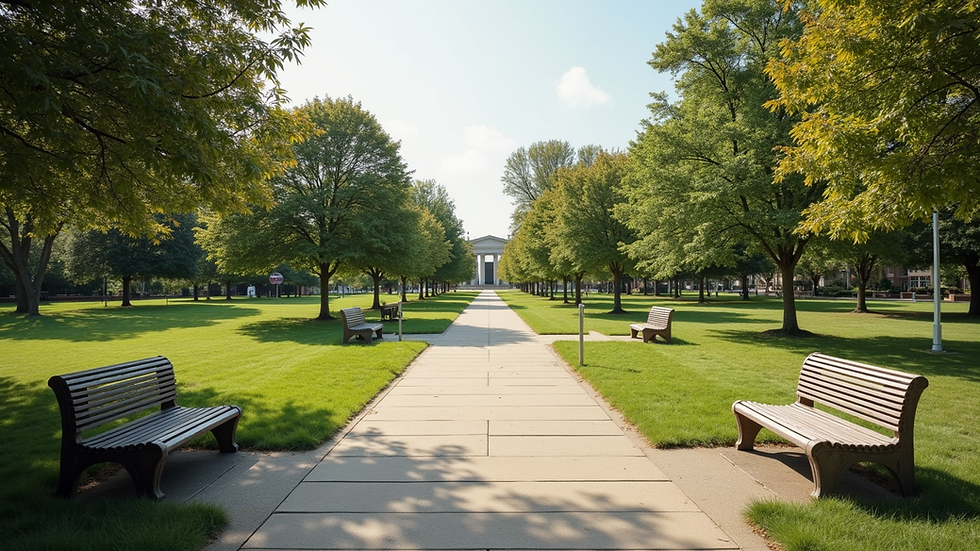
Space for Reflection: Include benches, gardens, or quiet areas where visitors can sit and remember.
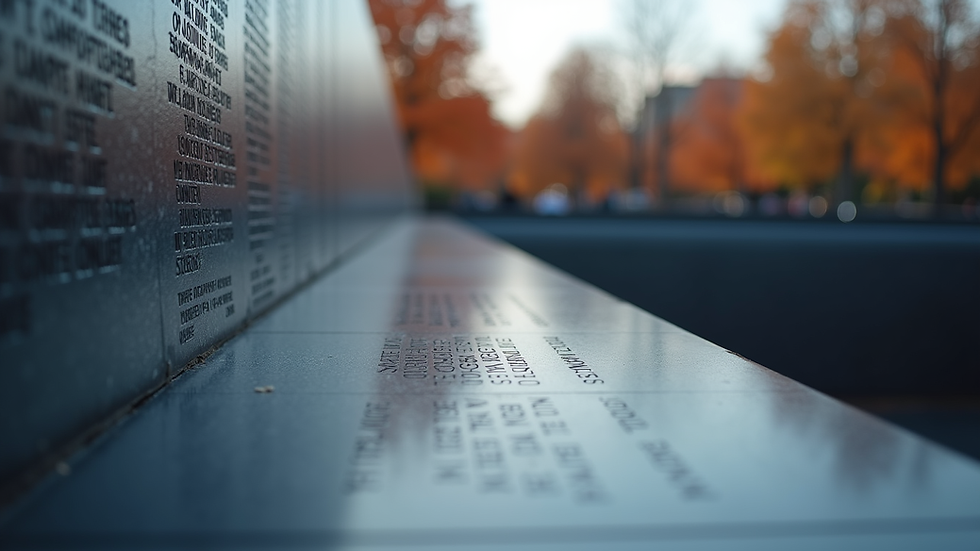
Names and Stories: Engraving names or sharing stories personalizes the memorial and connects visitors emotionally.
For instance, a circular design can symbolize unity and eternity, while a pathway lined with plaques can tell the story of different conflicts or units.
Incorporating Community and Family Input
One of the most rewarding parts of designing a veterans memorial is involving the community and families. Their input ensures the memorial reflects shared values and memories.
Here’s how to include them effectively:
Hold Public Meetings: Invite veterans, families, and community members to share ideas and stories.
Surveys and Questionnaires: Gather feedback on design preferences and meaningful symbols.
Workshops: Collaborate on design concepts and materials.
Honor Diverse Experiences: Recognize all branches of the military and different eras of service.
This collaborative approach creates a memorial that feels personal and inclusive. It also builds a sense of ownership and pride among those who visit.
Practical Tips for Designing a Lasting Memorial
Designing a memorial that stands the test of time requires practical planning. Here are some tips to keep in mind:
Choose Weather-Resistant Materials: California’s climate can be harsh. Granite and bronze resist weathering and maintain their beauty.
Plan for Expansion: Leave space for future additions as more veterans are honored.
Include Lighting: Proper lighting enhances safety and allows the memorial to be appreciated at night.
Maintain Landscaping: Use native plants that require minimal upkeep but add beauty and serenity.
Provide Clear Signage: Help visitors navigate the site and understand its significance.
By thinking ahead, the memorial will remain a cherished place for decades.
Bringing the Veterans Memorial Design to Life
Now, let’s talk about how to bring your vision into reality. The process involves several steps:
Concept Development: Sketch ideas and gather inspiration.
Professional Design: Work with architects or designers experienced in memorials.
Fundraising and Budgeting: Secure funds through donations, grants, or community events.
Construction: Hire skilled contractors who understand the importance of the project.
Dedication Ceremony: Plan an event to honor veterans and celebrate the memorial’s opening.
Throughout this journey, keep the focus on respect and remembrance. Every detail matters, from the placement of a flagpole to the wording on a plaque.
If you want to explore more about veterans memorial design, this resource offers valuable insights and examples.
Creating a Space That Inspires Reflection and Gratitude
A meaningful memorial invites visitors to pause and reflect. It should inspire gratitude for the sacrifices made and encourage a deeper connection to history.
Consider adding elements like:
Quotes and Poems: Words that capture the spirit of service.
Interactive Displays: Touchscreens or QR codes that share stories and photos.
Memorial Benches: Places to sit and remember loved ones.
Flags and Emblems: Representing different military branches.
These features make the memorial more than a static monument. They create an experience that touches hearts and minds.
Designing a memorial for veterans is a profound way to honor those who served. By focusing on purpose, community input, practical details, and emotional connection, we can create a space that truly matters. Let’s build a memorial that stands as a lasting tribute to courage, sacrifice, and patriotism in Placer County and beyond!


Comments